

Struggling with Night Driving on the PCH? The Connection Between BVD and Low-Light Anxiety
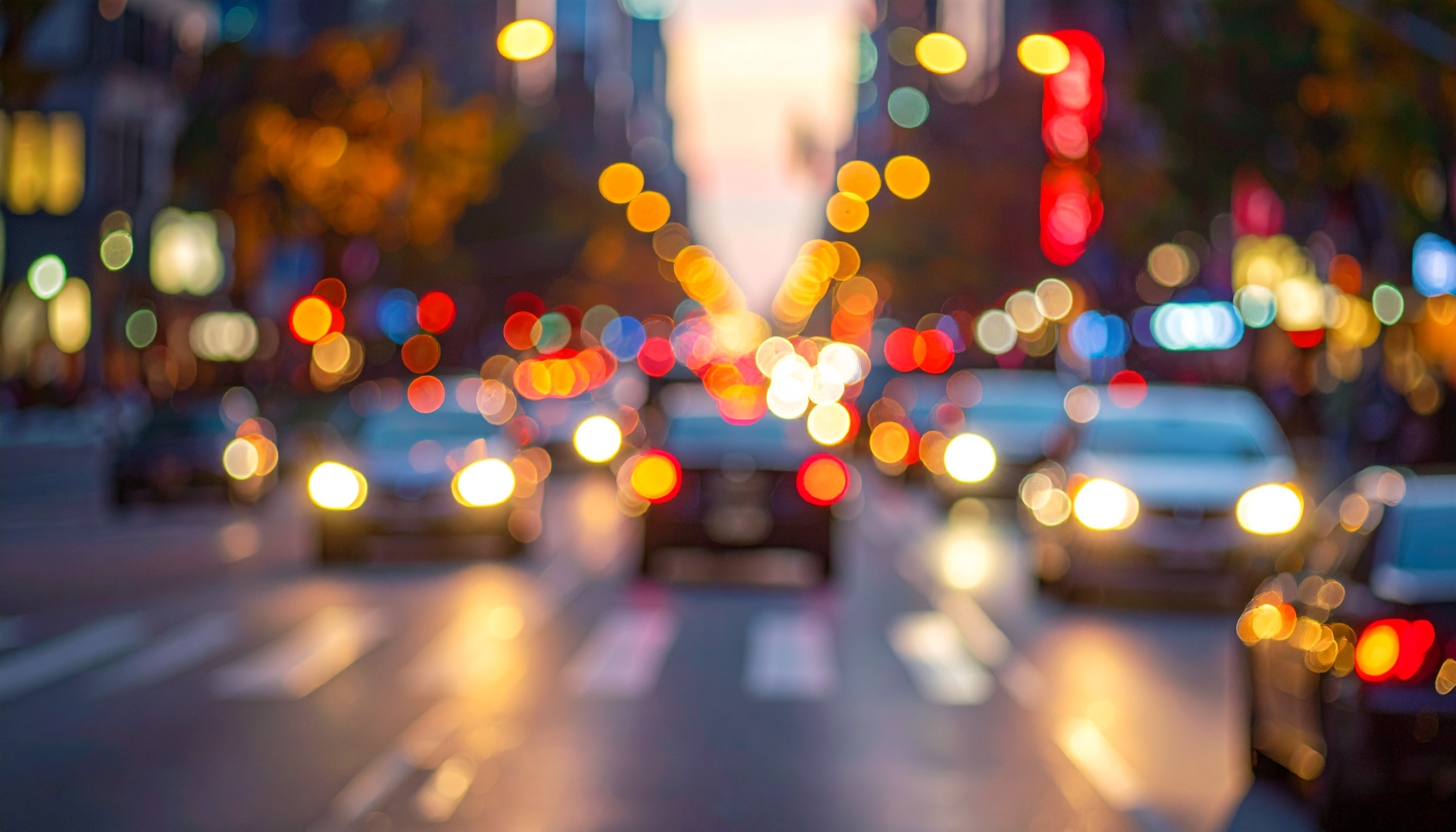
Driving along the Pacific Coast Highway can be beautiful during the day, but at night, it can feel stressful for some Santa Monica drivers. Headlights, curves, lane changes, glare, and low-light conditions can make the road feel harder to navigate. For some people, the issue is not just poor night vision. It may be connected to binocular vision dysfunction, also known as BVD.
BVD happens when the eyes have difficulty working together as a coordinated team. Even a small misalignment can force the visual system to work harder. In low-light settings, such as night driving on the PCH, that extra strain can become more noticeable and may contribute to dizziness, eye fatigue, headaches, or anxiety behind the wheel.
Why Night Driving Can Feel More Difficult
Night driving requires your eyes and brain to process a lot at once. Reduced contrast, glare from oncoming headlights, reflective signs, and fast visual changes can challenge depth perception and spatial awareness. On the PCH, this can feel even more intense because drivers must respond to curves, traffic, pedestrians, cyclists, and changing coastal lighting.
For people with BVD, these conditions may make the brain work harder to merge the images from both eyes into one clear picture. When the visual system struggles, the body may respond with tension, discomfort, or a sense of unease. This can make night driving feel overwhelming, even for someone who sees clearly on a standard eye chart.
How BVD Can Affect Low-Light Driving
Binocular vision dysfunction is often overlooked because symptoms can appear unrelated to the eyes. A person may pass a basic vision screening but still struggle with real-world visual tasks, especially in complex environments.
When driving at night in Santa Monica or along the coast, BVD may affect how accurately your eyes judge distance, movement, and positioning. Glare and darkness can reduce visual clarity, making it harder for the eyes to stay aligned and focused. Over time, this can create a pattern where night driving feels stressful before you even get behind the wheel.
Signs Your Night Driving Anxiety May Be Vision-Related
Low-light anxiety is not always caused by general nervousness. In some cases, it may be linked to how your visual system is functioning. You may benefit from a NeuroVisual evaluation if you notice:
- Anxiety or discomfort when driving at night
- Headaches or eye strain after driving
- Dizziness, nausea, or feeling off-balance in the car
- Trouble judging distance between vehicles
- Sensitivity to headlights, glare, or motion
- Feeling tense on curves, hills, or busy roads
- Avoiding night driving on the PCH or other Santa Monica roads
These symptoms do not automatically mean you have BVD, but they are worth discussing with an eye doctor who understands binocular vision and NeuroVisual Medicine.
Why A Standard Eye Exam May Not Catch BVD
A routine eye exam is important for checking visual clarity and eye health, but BVD requires a more specific evaluation. Many people with BVD can read the eye chart well, yet still experience symptoms because their eyes are not working together comfortably.
At Ocean Park Optometry in Santa Monica, NeuroVisual Medicine focuses on how the eyes, brain, and body work together. This type of evaluation looks for subtle eye misalignment and how it may be contributing to symptoms such as headaches, dizziness, eye strain, and driving discomfort.
How NeuroVisual Care Can Help
If BVD is contributing to night driving anxiety, treatment may include specialized lenses designed to support better eye alignment. These lenses can help reduce the effort your visual system uses to keep both eyes working together. For many patients, this can make visual tasks feel more comfortable and less tiring.
The goal is not simply to improve sharpness on a chart. It is to improve how your eyes function in daily life, including driving, reading, working on screens, and moving through visually busy spaces. For Santa Monica patients who regularly drive near Ocean Park, Venice, West LA, or the PCH, addressing BVD may help reduce the visual stress that makes night driving feel difficult.
When To Schedule A NeuroVisual Evaluation
If you avoid driving after dark, feel uneasy on coastal roads, or notice headaches and dizziness after visually demanding activities, it may be time to look deeper. BVD symptoms often build gradually, and many people do not realize their eyes may be part of the problem.
A NeuroVisual evaluation can help determine whether binocular vision dysfunction is contributing to your low-light anxiety and night driving challenges. With the right diagnosis, your eye doctor can recommend a more personalized approach to help support clearer, more comfortable vision.
Schedule a NeuroVisual evaluation with Ocean Park Optometry, located at 1731 Ocean Park Blvd., Santa Monica, CA 90405. Call (310) 452-1039 to book your appointment.


Contact Info
Office hours
© 2026 Ocean Park Optometry. All Rights Reserved. Accessibility Statement - Privacy Policy - Sitemap
